
Roux-En-Y Gastric Bypass
What is Roux-En-Y Gastric Bypass?
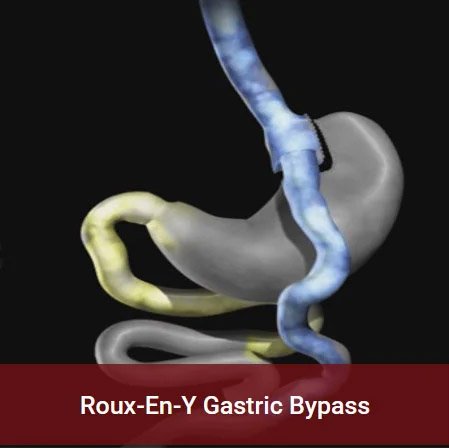
There are two steps to the Gastric Bypass procedure. First, a small stomach pouch , is created by dividing the top of the stomach which we call as the fondues from the rest of the stomach. Next, the first portion of the small intestine, the duodenum is divided, and the bottom end of the divided small intestine is brought up and connected to the newly created small stomach pouch. The procedure is completed by connecting the top portion of the divided small intestine to the small intestine further down so that the stomach acids and digestive enzymes from the bypassed stomach and first portion of small intestine will eventually mix with the food.
How does gastric bypass work?
The gastric bypass works by several mechanisms.
What are the side effects of gastric bypass?
1) Side effects are similar to sleeve gastrectomy except since it is a more technically demanding procedure the complication rates are comparatively higher in gastric bypass
2) Can lead to long-term vitamin/mineral deficiencies particularly deficits in vitamin B12, iron, calcium, and folate, hence requires adherence to dietary recommendations, life-long vitamin/mineral supplementation, and follow-up compliance
3) can lead to more severe hair loss